Event – 'The Rising Sun' by David Shearing

The Rising Sun - David Shearing

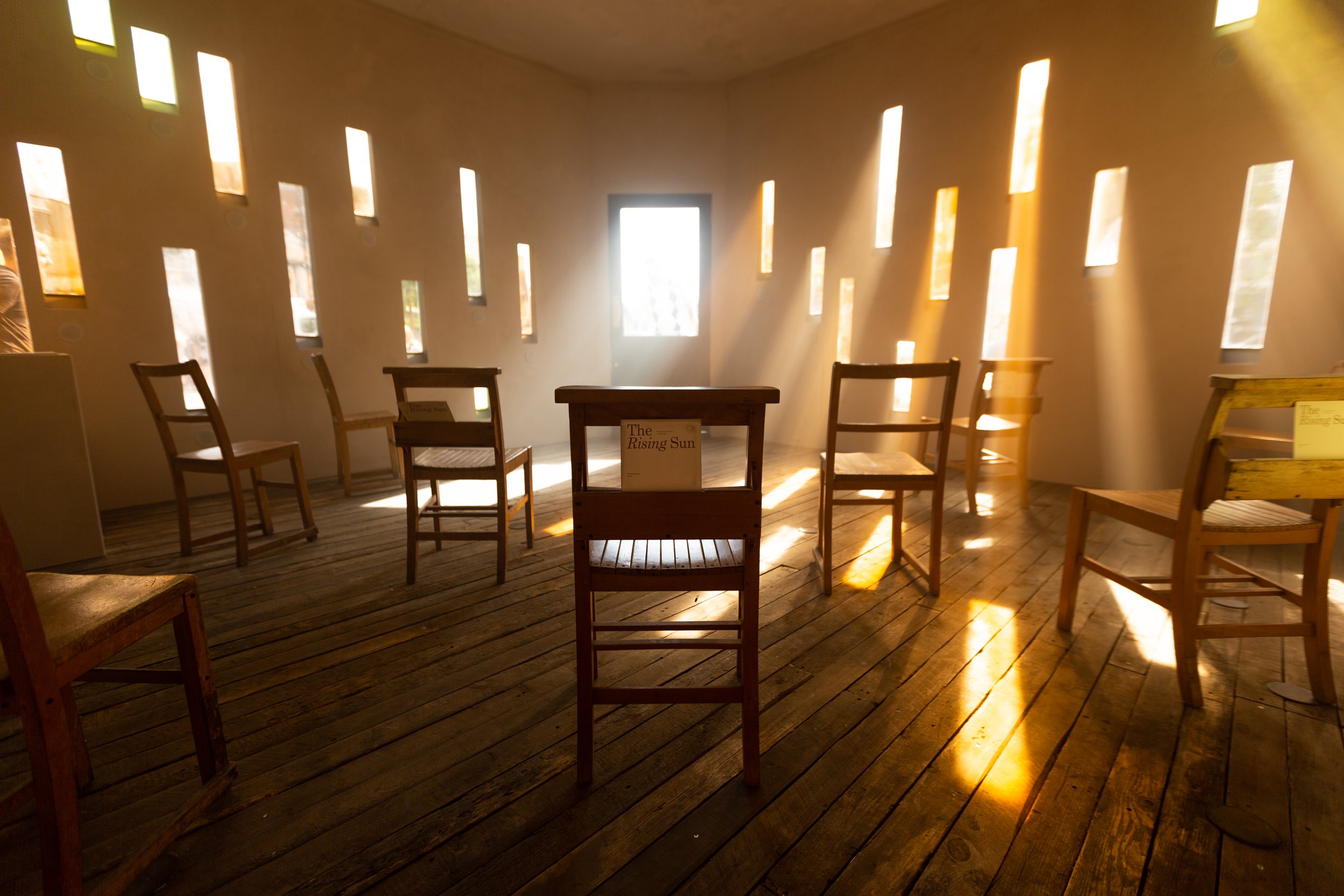
The last few weeks have been spent working with the studio Variable Matter, led by artist and a long term collaborator of mine, David Shearing. Shearing has been working in partnership with communities in and around Romford, East London over the last year, interviewing and celebrating the voices of 100 people in Havering, mapping their histories and futures.

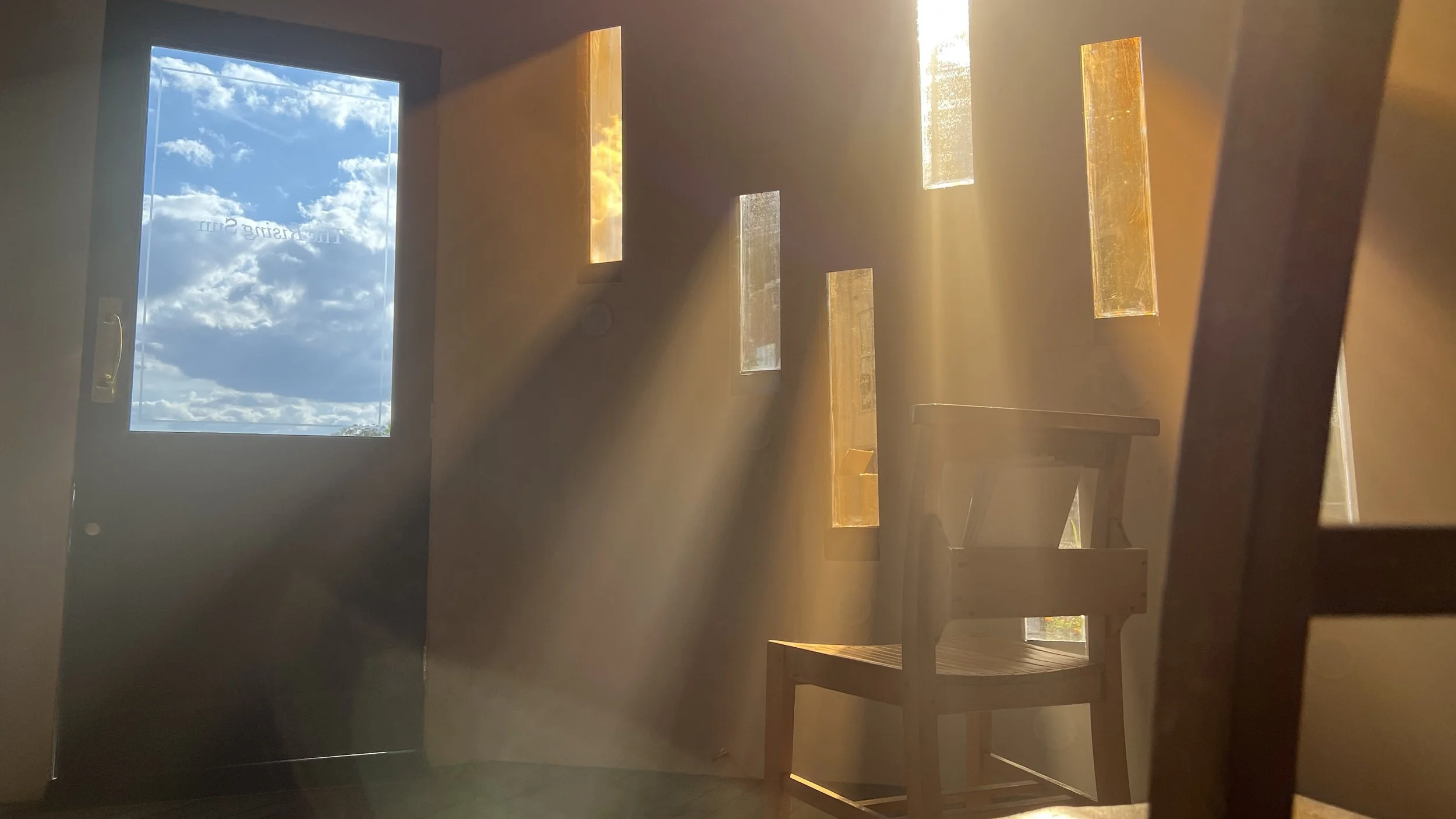
This has culminated in the spatial installation work The Rising Sun, an immersive environment situated in the centre of Romford Market that envelopes audiences in haze, light, and sound, evolving as time passes. It has been a great privilege working on the piece with David, and hugely insightful exploring and composing the voices of the people involved in the project.

Technically, the piece involved developing a custom spatialised system of 52 speakers (for which I must thank Ed Borgnis and Max Hunter), from which unfolds a long durational score of voices, music and field recordings shifting and moving around the space as the day unfolds.

The Rising Sun is open 15–30 July 2022 0800–2000 at Romford Market, London RM1 3ER

For more information on visiting and to access an online version of the work, please see the project website here.
Event – VCS4 Day 2022

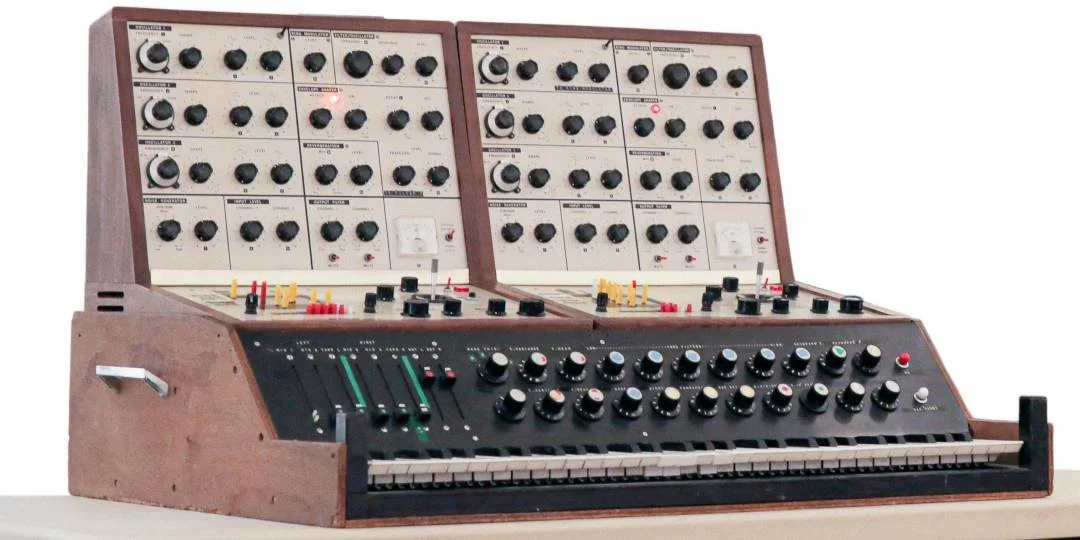
Forthcoming on Thursday 23 June is VCS4 Day 2022, which is taking place at Goldsmiths, University of London. The day marks the arrival of the VCS4 synthesiser at Goldsmiths, a project I have been fortunate to take part in, alongside Simon Desorgher and Dr Marcus Leadley from Goldsmiths Electronic Music Studios. Further information about the event, including a link for watching a live stream, can be found below.


VCS4: 2022

23 June 2022, 1400–2000 BST.
Curzon Cinema, Goldsmiths. University of London.

The VCS4 was built by the world-renowned Electronic Music Studios Ltd (EMS) company in London more than 50 years ago and was one of a number of synthesisers used in the 1970s by pioneers of British electronic music. This is a key element of Goldsmiths’ modular synthesizer suite at the Electronic Music Studios in the Department of Music, where it is available for use by our music students, researchers and visiting artists.

The VCS4 was built for Harrison Birtwistle’s performance of Medusa at South Bank in 1970. It was moved to the EMS studio in Putney before it was taken to the Royal College of Music by composer Tristram Cary. It was subsequently owned by Simon Desorgher, a former RCM student. The VCS4 was restored to functional order in 2006 by Robin Wood at EMS and acquired by Goldsmiths in 2019. Additional restoration and repair work has since been carried out by Steven Thomas of Digitana Electronics.

The VCS4 is based on two EMS VCS3 synthesisers – a portable analogue synthesiser developed in 1969. These were widely used by such luminaries as Delia Derbyshire, the BBC Radiophonic Workshop, Brian Eno, Hawkwind, Pink Floyd, Robert Fripp and Aphex Twin. The VCS3’s in the VCS4 have been heavily modified and incorporated into a base station featuring keyboard, external audio input mixer, and signal processing inside a wooden cabinet. It is a completely unique instrument. A second, but very different, VCS4 model is owned by Matt Black of Coldcut.

 The VCS4 was acquired for the Department by Research Associate Dr James Bulley with support from the Goldsmiths Friends and Alumni Fund. For more detailed information on the VCS4 at Goldsmiths see: https://www.gold.ac.uk/ems/resourcesie/

VC4 Day 2022 will feature performances from Lawrence Casserley, Simon Desorgher, Alina Kalancea, Olivir Haylett and Ingrid Plum. The full programme of talks and discussion for VCS4:2022 will be confirmed shortly.

See Goldsmith’s event page for updates: https://www.gold.ac.uk/calendar/?id=13966

Join via livestream for a day of performances, talks and discussions featuring the unique EMS VCS4 Live Performance Module: https://youtu.be/VP4Tg_E0cCQ

Event: Evolver at Tribeca, NY

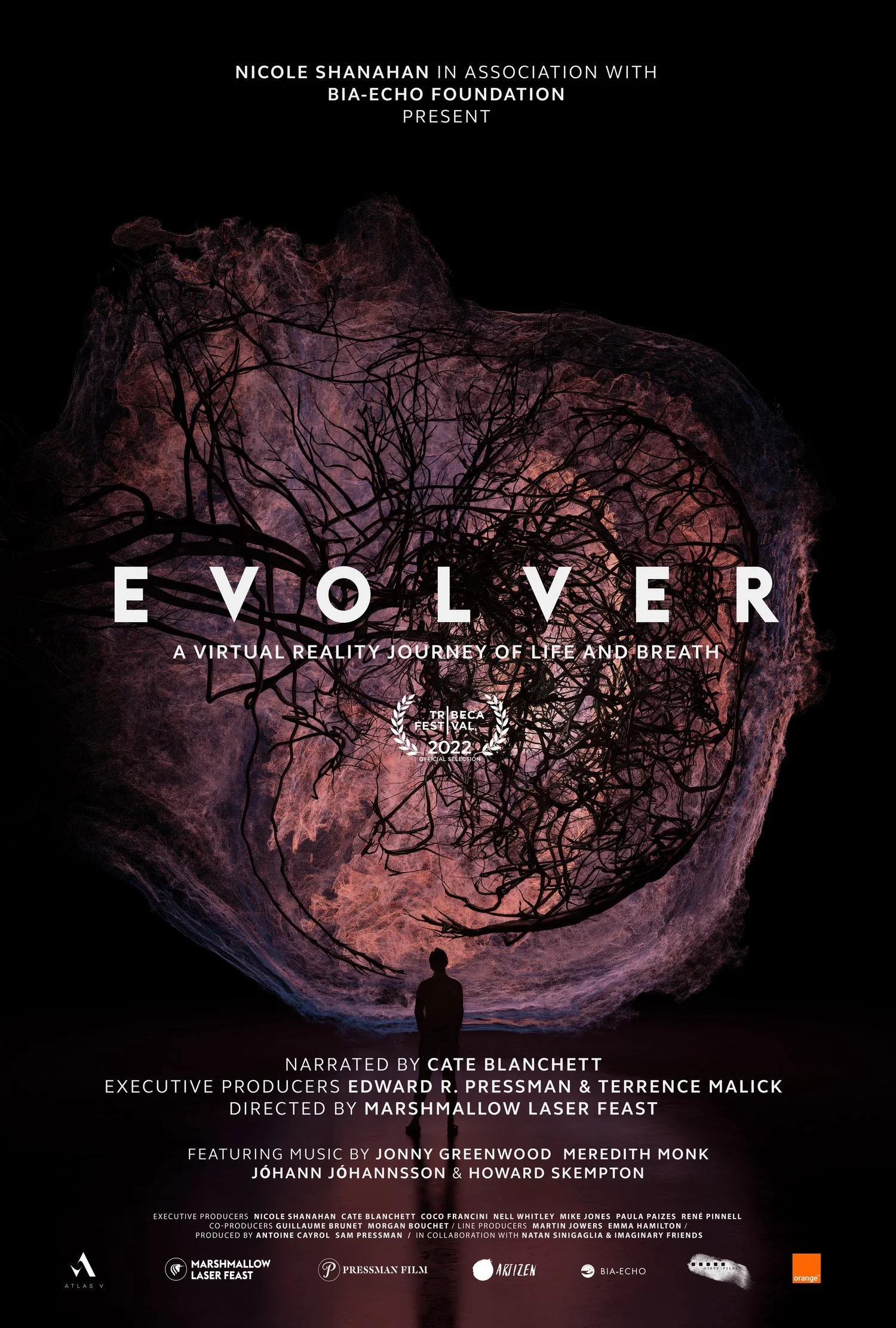
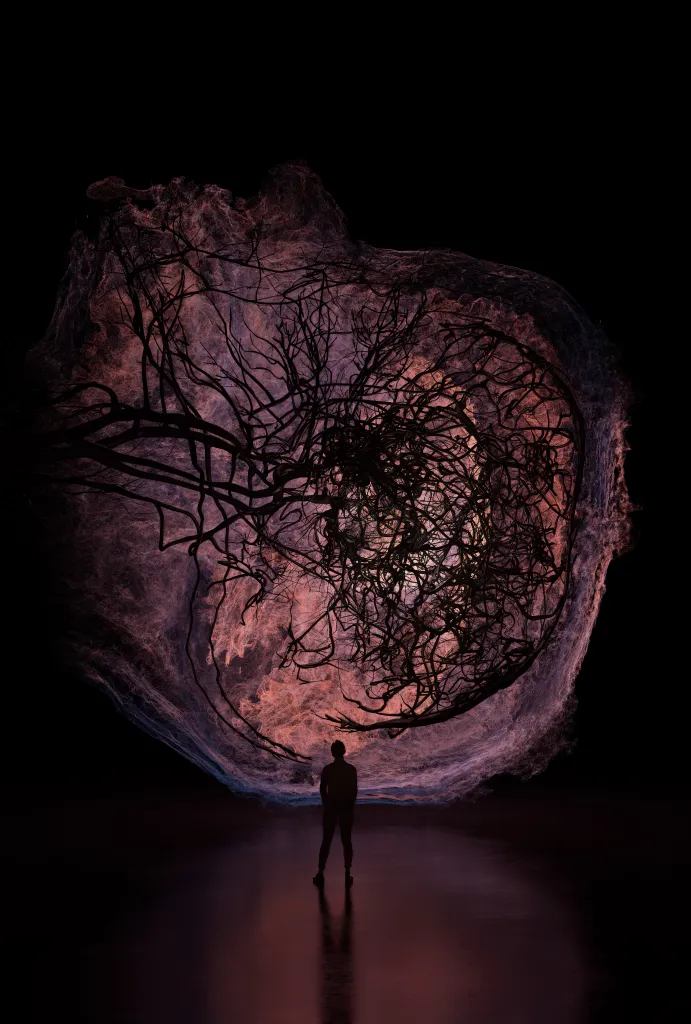
After two years of extraordinary and mind-expanding work, Evolver premieres tomorrow at Tribeca Festival in New York, where it is then open for a week. Tickets and further information can be found here. It is a genuinely extraordinary piece, and it has been a great privilege working with Marshmallow Laser Feast, Henrik Oppermann, Daisy Lafarge and Natan Sinigaglia / Imaginary Friends on this journey.


Event: City of Trees

City of Trees by Matthew Rosier is now open, and runs from 5–11pm November 4–10 2021 outside St Mary Aldermary Church in the City of London, England.

”The project seeks to raise awareness of the symbiotic relationship that has always existed between humans and forests in England. Its opening will coincide with COP26 in Glasgow in order to highlight the value of productive, truly sustainable and biodiverse forestry in addressing climate change and restoring our woodland habitat.”


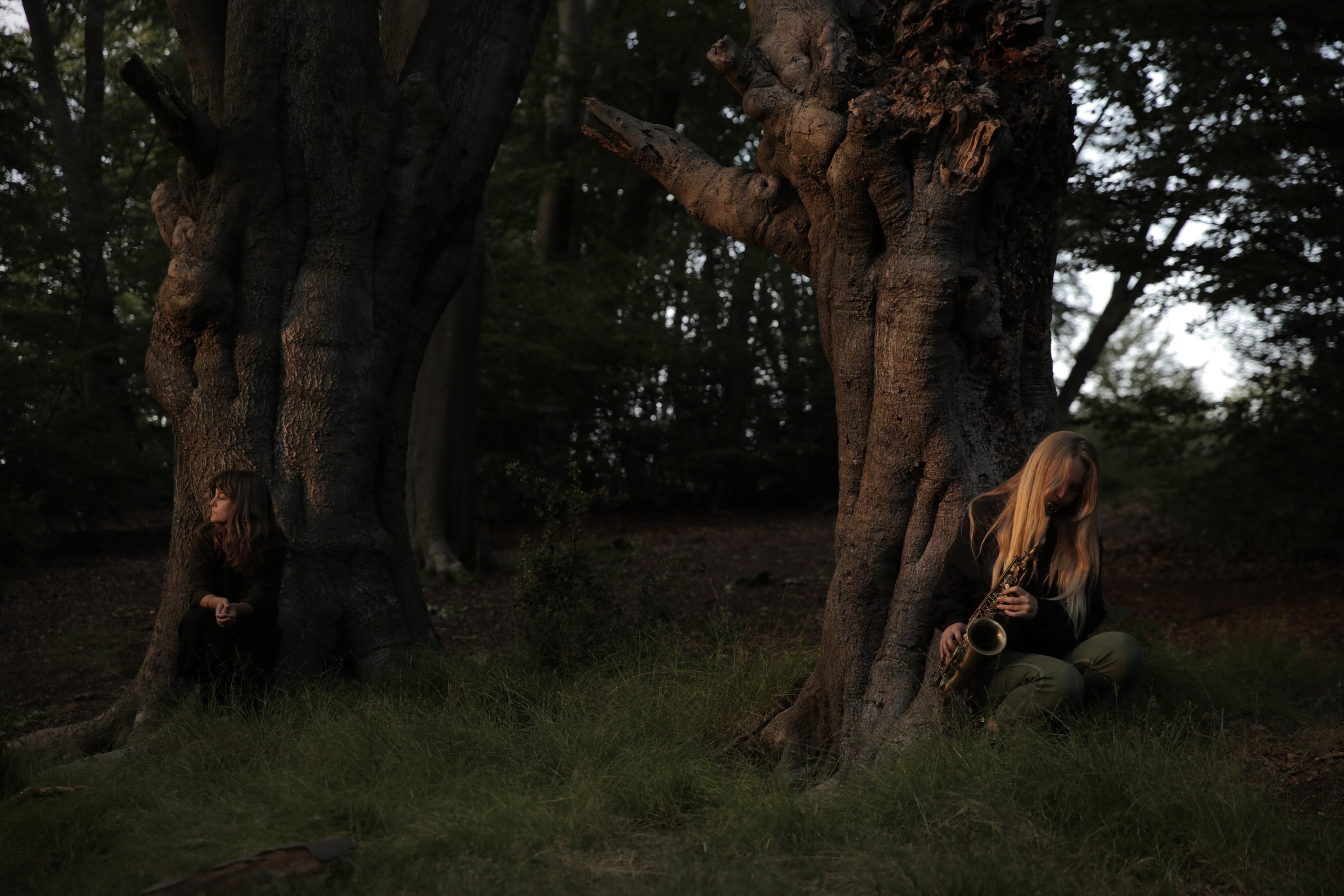
The work features life-size video portraits of Oak, Beech and Hornbeam pollards from Epping Forest projected into the heart of the City, accompanied by spatial soundscapes that I have composed alongside musicians NYX (https://nyx-edc.com/) and Laura Misch (https://lauramisch.bandcamp.com/).
A commission from the City of London Corporation. Further information including a visitor guide here.

Recording session for City of Trees with Nyx and Laura Misch. Photograph: Gregory White (August 2021).

Talk: Enhancing searchability – archiving practice research

I’ll be a panellist at the following discussion surrounding the sharing and preservation of practice research, hosted by the UK Reproducibility Network on Monday 15 November 2021. Link here: https://www.ukrn.org/event/enhancing-searchability/

Here is an outline of what the workshop will be about:

This workshop will deal with some of the challenges and issues involved with documenting and archiving practice research. Some of the questions this panel will aim to address include:

- How can we ensure that practice research is fully searchable and visible in the public domain?

- Are university repositories able to host the research findings of practice research projects run within, or in collaboration with, universities in the UK?

- What kinds of practices can we design and share that allow for the most effective and efficient means of sharing the research findings of work in this area?

- How do we consider the ways in which disciplinary differences warrant different considerations in devising systems (technological or otherwise) for archiving and disseminating practice research?

Panellists

Chair: Professor Mark d’Inverno, Goldsmiths, University of London

Professor Oriana Baddeley, Former Dead of Research, University of the Arts London

Dr Lauren Redhead, Senion Lecturer in Music, Goldsmiths, University of London

Professor Bambo Syinka, Professor of Story, Bath Spa University

Dr Scott McLaughlin, Lecturer in Composition and Music Technology, Leeds University

Dr James Bulley, artist and composer, co-author of Bulley-Şahin reports on practice research for Research England (2021)

'Sonic Ray' by Jem Finer

Last night I attended a launch for Jem Finer’s Sonic Ray — it is a mesmerising thing to see a laser beam of sound traversing the river Thames, journeying back and forth across darkened waters beneath it. The work opens to the public from 30 September–21 November 2021 and you can book tickets here.

Sonic Ray – a new installation produced by Artangel, celebrating the 1,000 year-long musical composition Longplayer, created by artist Jem Finer. Originally scheduled for 2020, Sonic Ray was commissioned to mark the 20th anniversary of Longplayer, which began playing from the lighthouse at Trinity Buoy Wharf at midday on 31 December 1999 and will continue to play until 2,999 when it completes its cycle as the longest piece of music in history.

From the lighthouse, a bridge of light is beamed across the river to North Greenwich, encoding and transmitting the sound of Longplayer to a new temporary listening post aboard Richard Wilson’s nautical sculpture Slice of Reality. A short ferry ride will connect the two locations, allowing visitors to experience Longplayer as a bridge of light across the river at both locations.

Built in 1864 the lighthouse at Trinity Buoy Wharf in East London was known as the “Experimental Lighthouse”, a landmark housing the workshop where Faraday conducted his optical tests. It has been the home of Longplayer for 21 years

Sonic Ray transmitting Longplayer from Trinity Buoy Wharf Lighthouse

Sonic Ray transmitting Longplayer from Trinity Buoy Wharf Lighthouse

The receiver at Richard Wilson’s Slice of Reality

The receiver at Richard Wilson’s Slice of Reality

Drawings by Jem finer in Richard Wilson’s Slice of Reality

Drawings by Jem finer in Richard Wilson’s Slice of Reality

Research: practice research in England – reports publication

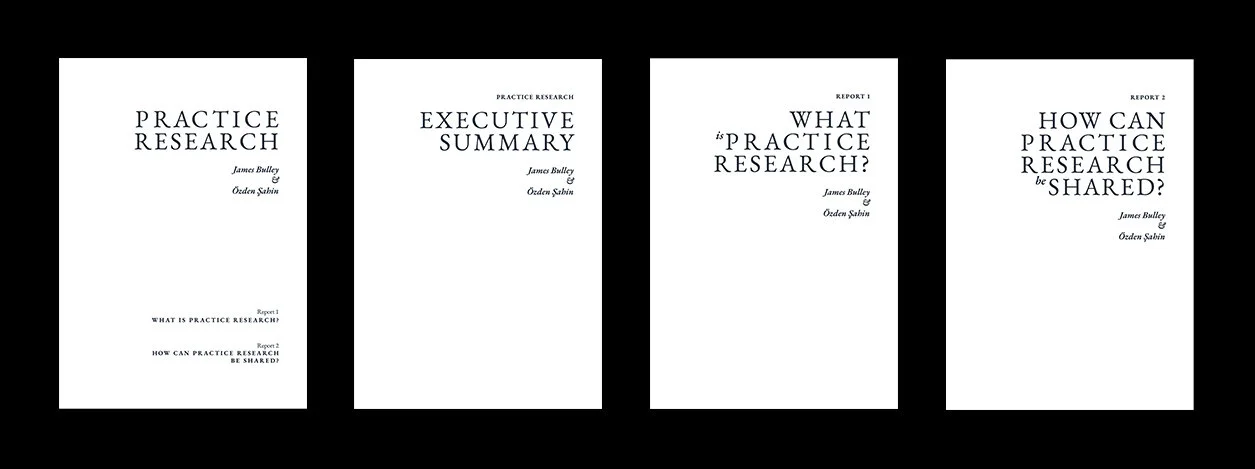
Today marks the publication date, after nearly three years of work, of two reports, written as part of a collaborative post-doctorate with Dr Özden Şahin, on the subject of practice research in England, commissioned by the Practice Research Advisory Group UK (PRAG-UK) and funded by Research England. Published by PRAG-UK and the British Library.

The two Bulley-Şahin reports are published by the Practice Research Advisory Group UK (PRAG-UK) and are available Open Access here.

.pdf download here

Writing in the foreword to What is practice research?, Steven Hill, Director of Research at Research England says: “Practice research is a new way of thinking about and engaging in research and so needs new structures and systems to maximise its impact within and outside the academy.”

He adds: “These reports are a seminal contribution that draws together current thinking relating to practice research in all its diversity. They provide consistent language to talk about practice research across multiple disciplinary contexts and clarify the challenges that need to be addressed to ensure the full potential of practice research. Notably, the reports span and provide linkages between the theoretical and practical.” 

“This range is essential. If there are to be better tools for hosting and communicating practice research, they need to align with the ways practice researchers conceptualise their work.”

Practice research has a history stretching as far back as the earliest human experiments: practice is a method of discovering and sharing new findings about the world that surrounds us. In recent years, scholarly communication has undergone a series of changes that have led to a broadening of the landscape of academic research, due in part to the emergence of practice research in the academy. The formulation and dissemination of practice research affords an important opportunity for researchers in England across all research disciplines, offering a research field that conveys ways of knowing from practice, operating within, across and beyond disciplines in manners that go far beyond traditional research types. In practice research, forms of sensory, tacit and embodied knowledge can be conveyed, and its sharing presents an opportunity for the modernising and revitalising of research communication, uncovering novel dissemination routes in the digital era.

(from an article about the reports found here)

Bulley, James and Şahin, Özden. 2021. Practice Research - Report 1: What is practice research? and Report 2: How can practice research be shared?. Practice Research Advisory Group UK (PRAG-UK), London. https://doi.org/10.23636/1347

'Ayouni' Guardian Review

A 4 star review for ‘Ayouni’ in the Guardian Newspaper today, written by Peter Bradshaw.
It is good to see the film getting the recognition it deserves:

Director Yasmin Fedda, who is from a Palestinian and Syrian background and lectures in film at Queen Mary University of London, has created a powerful and urgent documentary tribute to those who have been “forcibly disappeared” by the Assad regime in Syria, estimated to be around 150,000 since 2011.

To watch Ayouni please see the official website to find the platforms it is available on: https://ayounifilm.com/watch

'Island' now available online

Island is now available to download via iTunesVimeo, Google Play and Amazon Prime Video

Watch on demand via Vimeo

Across the water on the island, four individuals experience the year in which their lives will end. Illness progresses, relationships gently shift, and we are witness to rarely seen and intensely private moments. One person shares their acceptance of death, whilst another is surrounded by a community in shock. We observe bedside care and the rhythm of breathing. In a pathology lab, microscopic biopsies in close-up show the interior of bodies, our biology. Filmed over 12 months on the Isle of Wight, Island is a life-affirming reflection on the phenomena of dying, portraying the transition away from personhood and observing the last days and hours of life and the moment of death. Like the ferries cyclically arriving and departing in this an enigmatic landscape, the film appears buoyant, afloat. Death is shown to be natural and everyday but also unspeakable and strange.

★★★★★  – The Sunday Times
★★★★  – The Guardian

“Poetic; disarmingly intimate” – Sight & Sound

“Probes uncharted territory with great intelligence and sensitivity” – Little White Lies 

'Ayouni' online launch

Ayouni is now available to watch worldwide at www.ayounifilm.com

It was a great privilege to compose the score and sound design for the film, directed by Yasmin Fedda..

At a time when the dictatorship in Syria is still in power, and its position is being normalised, it feels crucial to respond to the crimes that have been committed in its name, and in the wake of the destruction it has created across the country. Since 2011, government forces, and other armed groups, have forcibly disappeared at least 100,000 people – making them absent, silenced, invisible.

Families and friends of the disappeared still face the difficult tasks of finding answers. In this context, it is essential to build and preserve a portfolio of war crimes that can be used for accountability and for eventual justice. Ayouni is a small contribution to this effort, bringing intimate stories and realities in focus.

'Ness' by Adam Scovell

Recently released is Ness, directed by Adam Scovell with Robert Macfarlane and Stanley Donwood. I loved doing the sound design and soundscore for Adam’s exploration of Orford Ness. The film features the haunted radiophonics of Drew Mulholland.

You can read Adam Scovell’s thoughts on the film here.

You can read more about Ness on Elsewhere Journal here.


Orford Ness Lighthouse in 1942

Contact: A Journal for Contemporary Music (1971-1990)

Very pleased to announce that the fully digitised archive of Contact: A Journal for Contemporary Music (1971-1990) is now openly available online, with all articles and issues free to access in perpetuity: https://www.contactjournal.gold.ac.uk/ – a huge thanks to everyone involved in this three year long project, in particular to Dr Fiorenzo Palermo and Gregory White who did so much work on making this all possible.

Horniman x Goldsmiths, 21 March 2019

I am co-curating two installation pieces at the forthcoming Late at the Horniman Museum as part of my work as Research Associate in the Department of Music at Goldsmiths, University of London.

Firstly, there will be a spatial Longplayer Listening Post installed for the evening. Longplayer is a 1000-year long composition by Jem Finer, for which I am a trustee. More information here.

‘Longplayer Detail’ Copyright: Debbie Bragg

Secondly, I’ve been working with the artist Appau Jnr Boakye-Yiadom and Black Tower Projects on a new iteration of Boakye-Yiadom’s ‘Adaptive Rhythm’ spatial audiovisual work. We’ve been working with the Horniman Musical Instrument collection and the phenomenal Taiko drummer Aki Fujimoto in realising the project.

‘Before: Adaptive Rhythm, Black Tower Projects, 2018’ Copyright: Appau Jnr Boakye-Yiadom

More information on the whole event here, including a link to get hold of tickets.

The Horniman x Goldsmiths late event will take place from 6.30–11pm on 21 March 2019.

Talk: Daphne Oram and Optical Sound, Camden Arts Centre, 3 February 2018

Writer Frances Morgan talks with contemporary composers Tom Richards, James Bulley and Sarah Angliss about optical sound and its framing in history, considering the work of electronic music pioneer Daphne Oram (1925–2003).

Writer Frances Morgan talks with contemporary composers Tom Richards, James Bulley and Sarah Angliss about optical sound and its framing in history, considering the work of electronic music pioneer Daphne Oram (1925–2003).