The Mother Goose Series
James Bulley
2025
5 x sound box constructions
Each construction: found wood, oil paint, found objects, electronics, sound recordings and 12 loudspeakers
29.7cm x 42cm x 13cm (each)
April–July 2025, Glasshouse International Centre of Music, Gateshead, UK
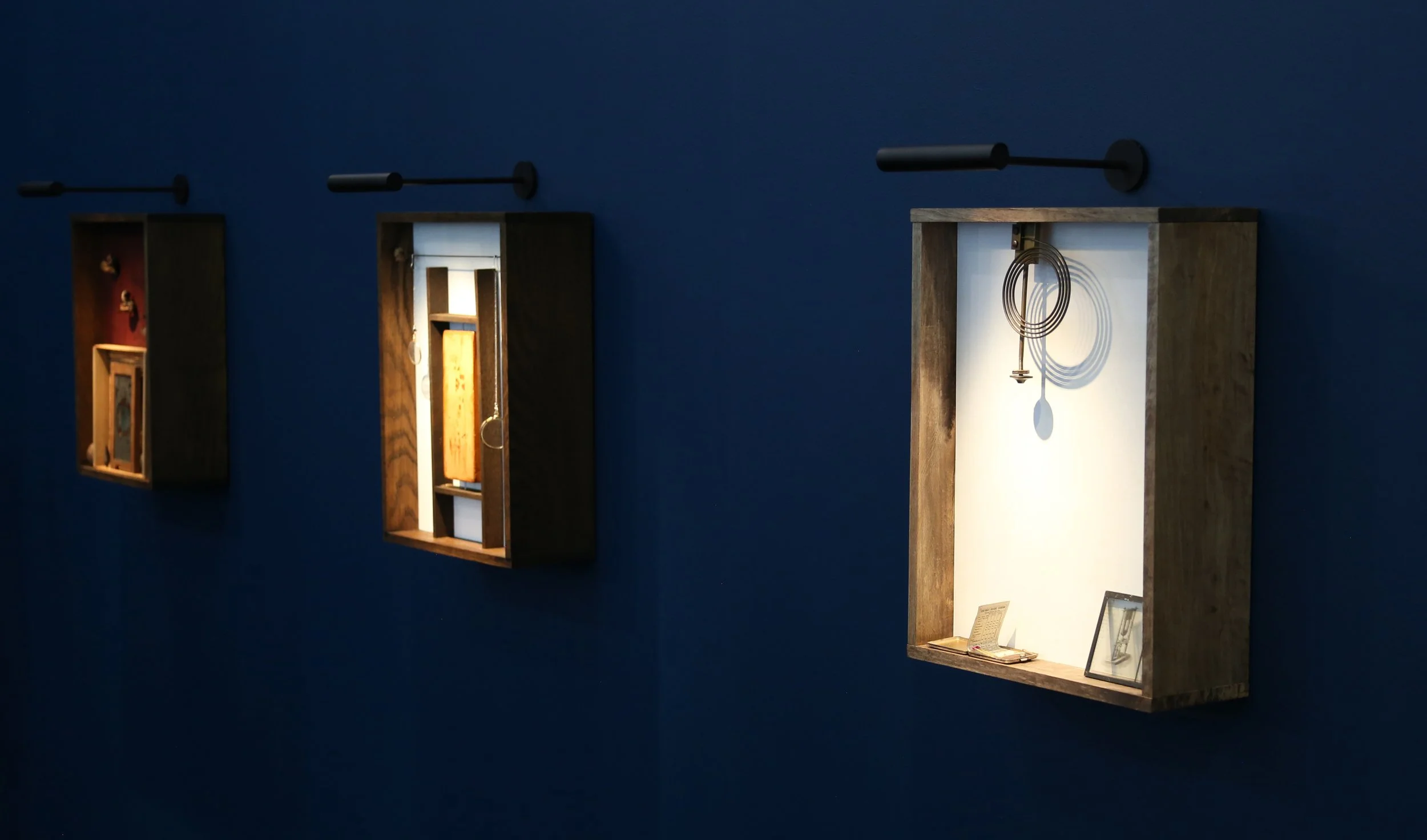
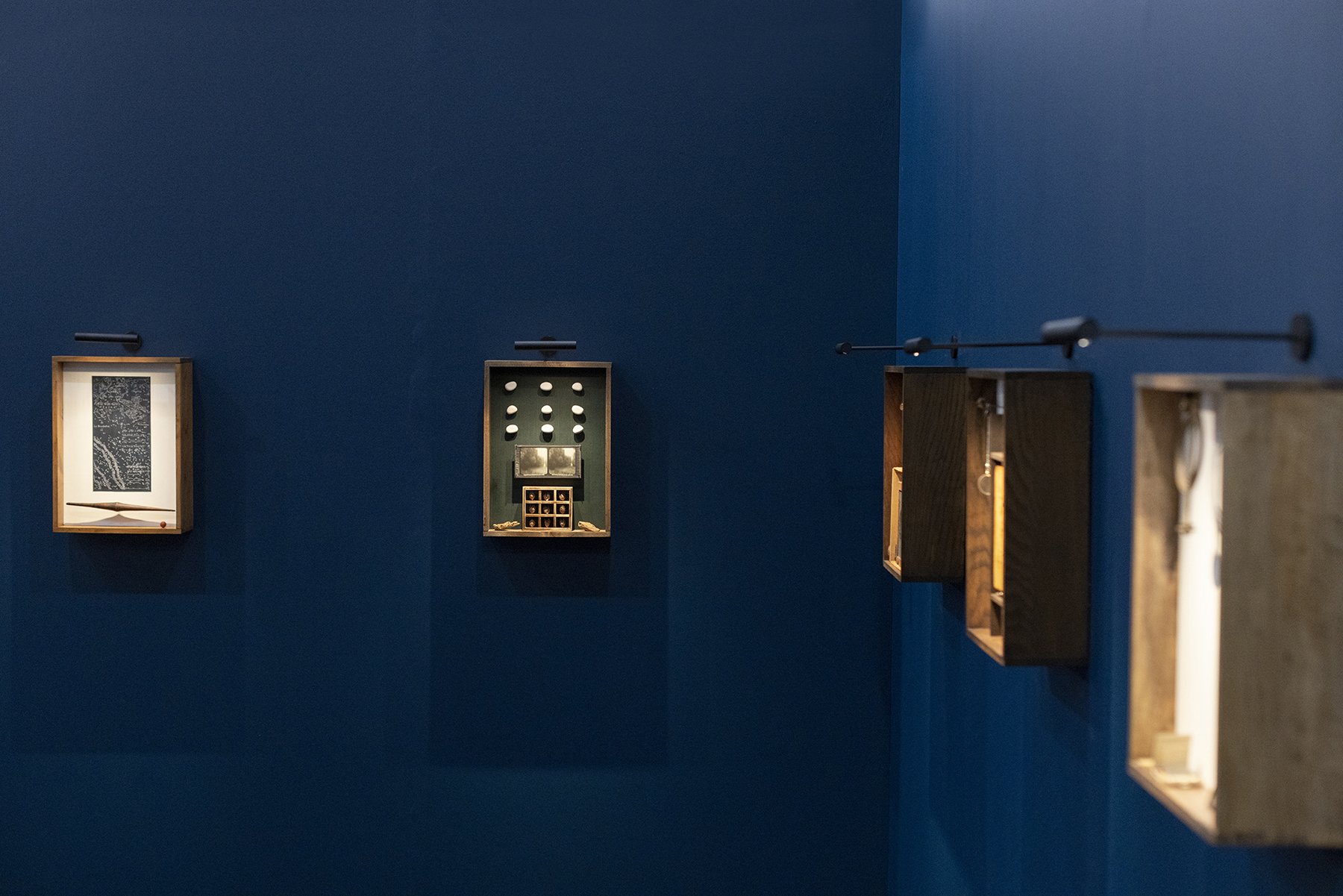
The Mother Goose Series is a series of artworks that explore Maurice Ravel’s Ma mère l'Oye, drawing from his orchestration and harmonic ideals to distill sculptural worlds where the listener may lose themselves in the prism of the music.
Each of the five spatial sound box constructions contain a hidden multichannel loudspeaker system (12 channels), allowing the sound to move and interrelate within the material world of each box.
“ In 1908, in the year his father died, the Ravel began writing Ma mère l’Oye, a piece of music dedicated to Mimi and Jean Godebski, two young children whose parents’ salon he frequented. Ma mère l’Oye was completed in 1910, with its first performance at the newly founded Sociéte Musicale Indépendante in Paris. By 1911 Ravel had orchestrated the piece, and then in 1912 arranged it for ballet. Each of the first four movements of Ma mère l’Oye draws inspiration from well known French childhood fairytales, with the final movement Le Jardin Féerique (Enchanted Garden) portraying Ravel’s own imaginary world, a landscape that each day he surveyed from the balcony of his house ‘Le Belvédère’ just West of Paris, surrounded by his collection of figurines and mechanical automatons. For these works, I arranged Ravel’s music to create physical spatial environments, recording the re-composed scores with conductor Dinis Sousa and the Royal Northern Sinfonia in Winter 2024 at the Glasshouse, Gateshead.”
01 – Pavane (for Sleeping Beauty)
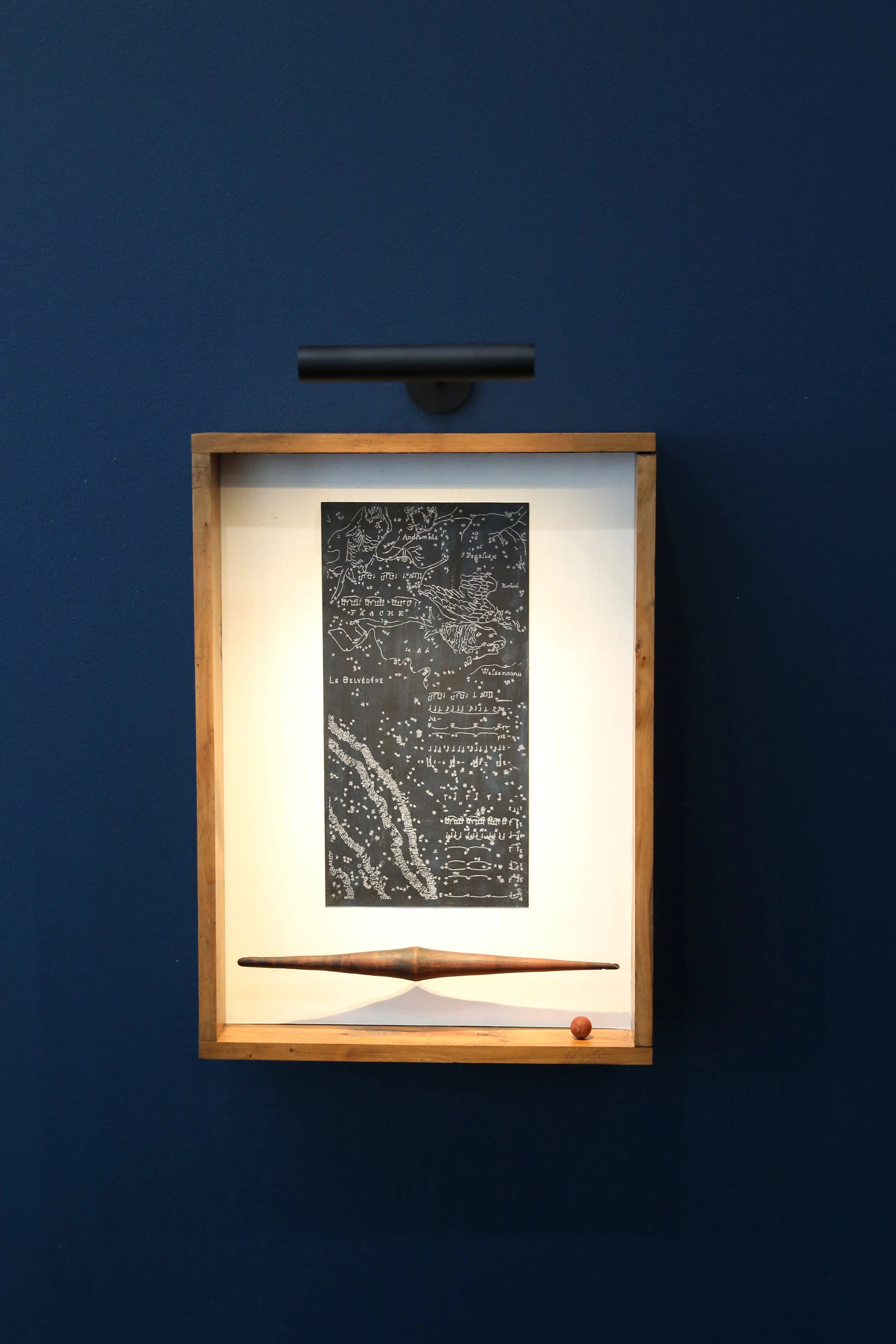
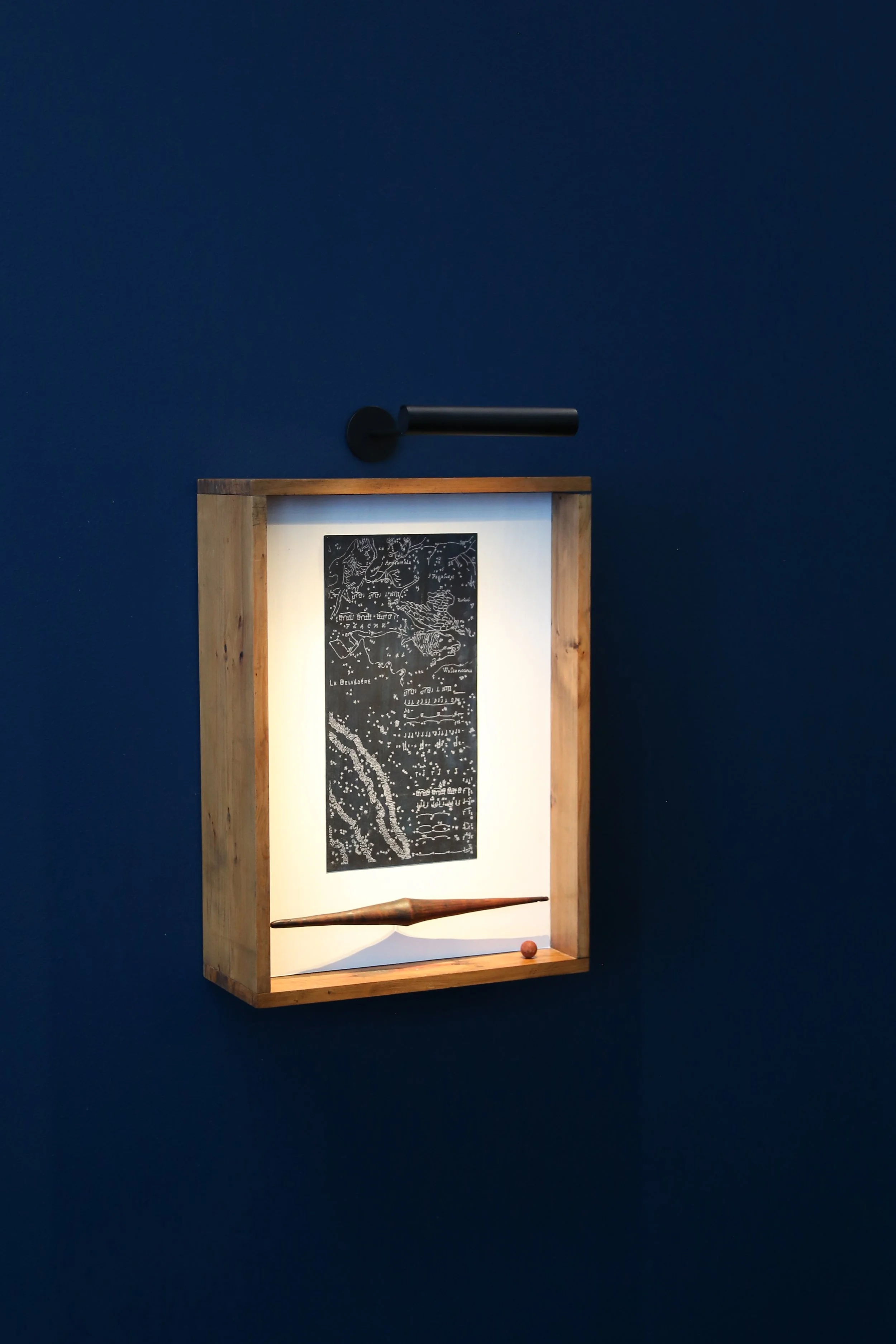
Pavane (for Sleeping Beauty), is housed in a cabinet of fallen Yew wood, a tree associated with death and rebirth, its red berries both poisonous and medicinal.
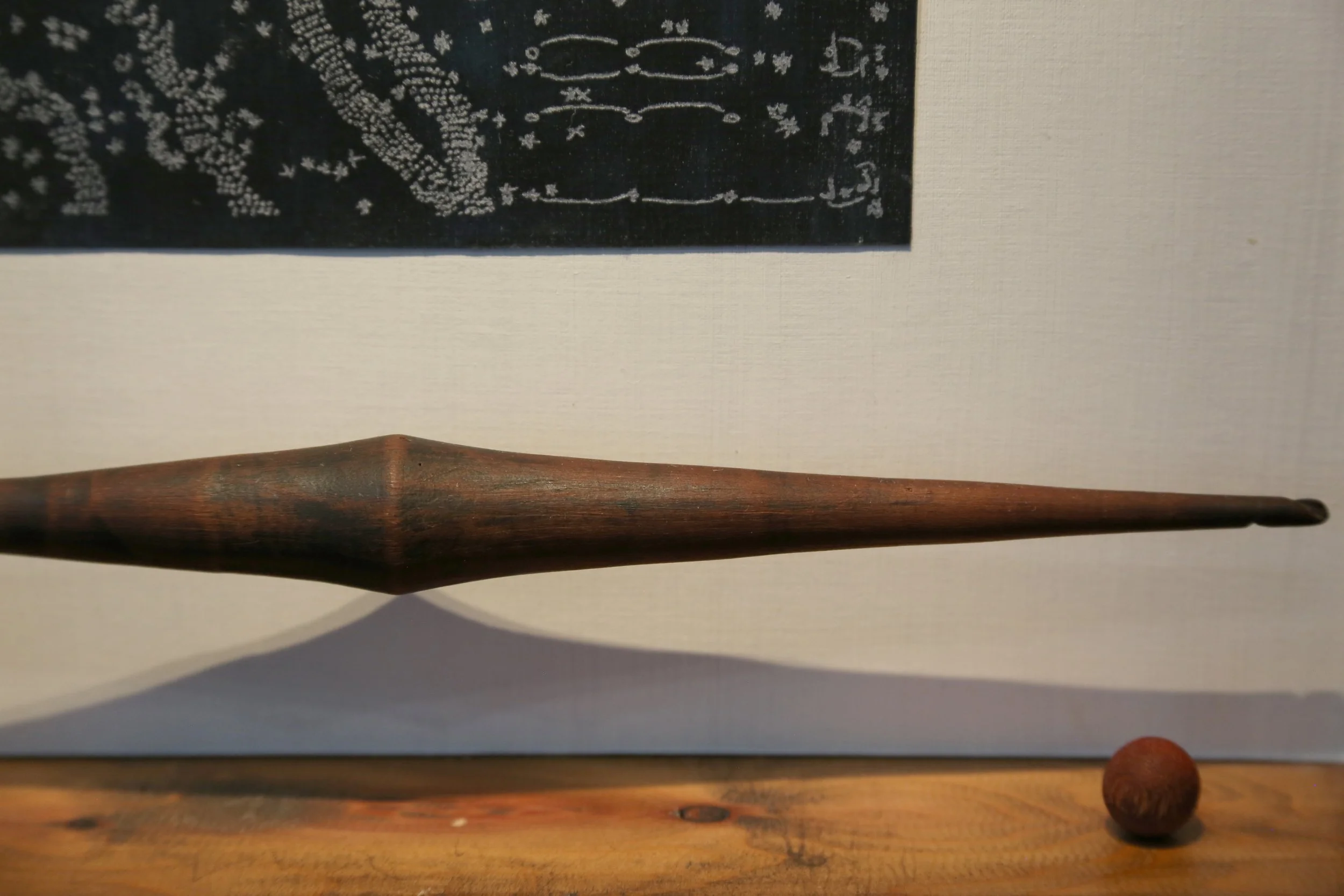
At the base of the piece is an 18th century French spindle, suspended beneath a hand drawn white graphite star map drawn on ink and mounted on an oil paint background.
Within this map the viewer can find fragmentary notation of the music they hear; the Pisces star sign of its original composer, the headed note paper of Ravel’s home, Le Belvédère.
Ravel’s orchestration moves around the night sky, surface and objects, as the story of Sleeping Beauty’s bewitchment from a spindle prick, entombed in a castle overrun by thicketed thorns unfolds.

02 – Poucet
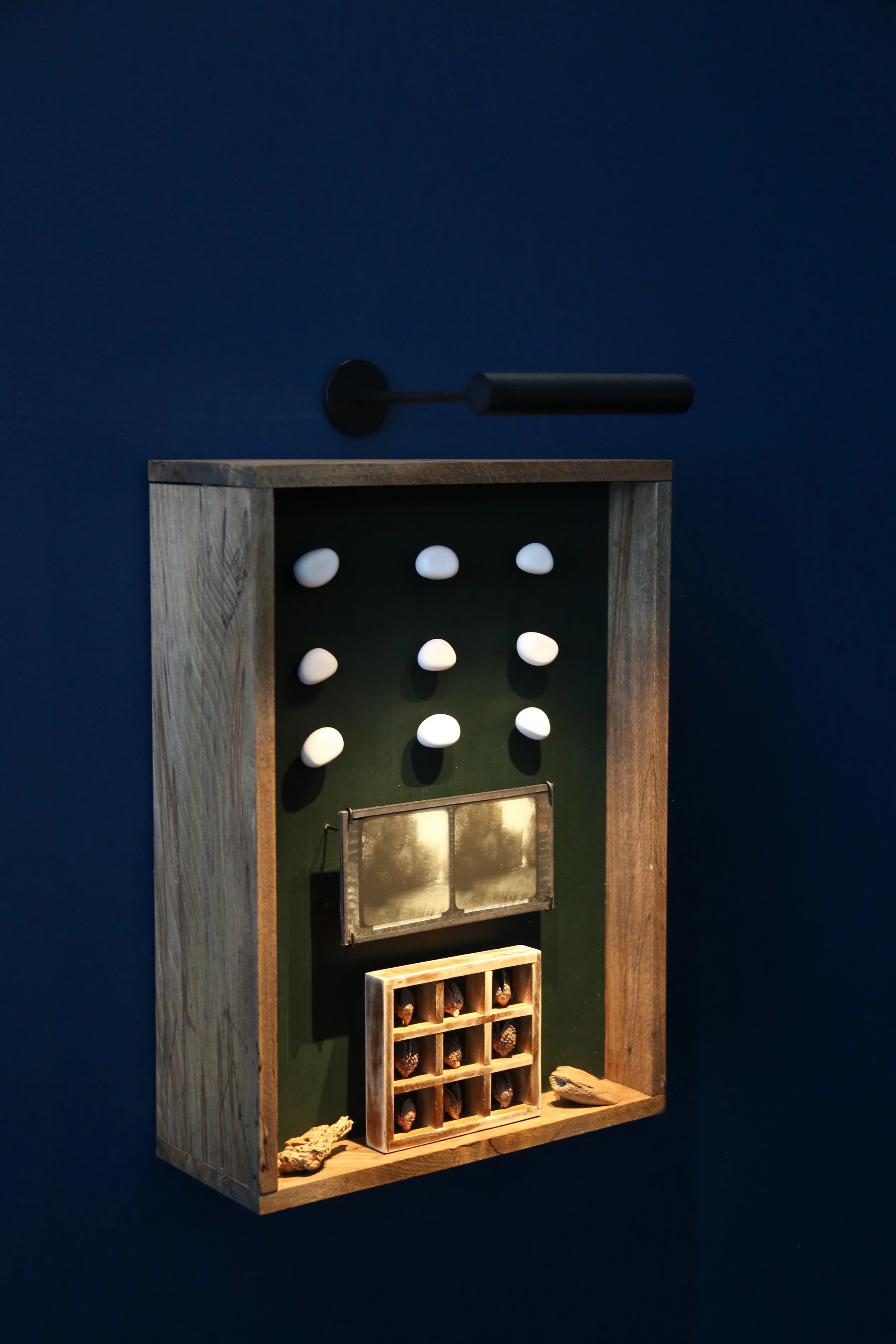
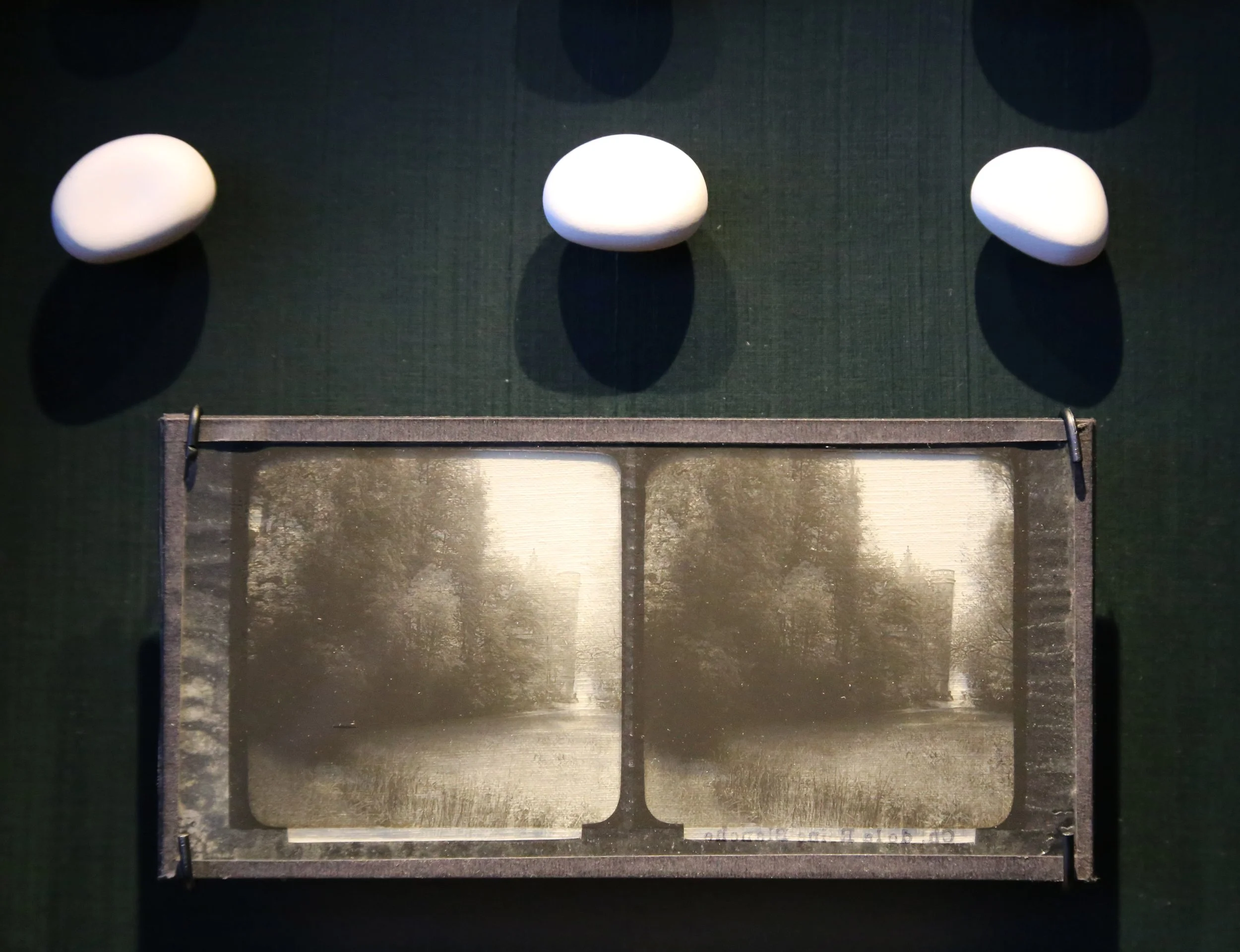
In the story of Petit Poucet (Little Tom Thumb) by Charles Perrault, we follow the journey of Poucet and his brothers as they become lost in a dark forest. Abandoned by his parents in extreme poverty, Poucet first marks his path back home with small white stones, ensuring he and his brothers might find their way back. Cast out again by their parents again into the dark forest, the breadcrumb trail that Poucet leaves is eaten by the birds, heard here in swooped pinpoint violins.
Enclosed by the knotted wood of a Beech tree, whose gnarled nuts and bark father, in Poucet we hear the woozy wandering counterpoint of the protagonist and his brothers as they wander sadly across the dark greened surface of the dark forest.
03 – Laideronnette
In 1889 the 14 year old Ravel attended the Fourth Paris International Exhibition, where a variety of music from across the world could be heard, including performances of Javanese Gamelan. This was a formative event for many in Paris, an opening up of worlds of tonality, artistry and craft that informed many of the most renowned impressionist artists of the coming era. For Ravel, the gamelan had a particular resonance, with its sounding bells and gongs influencing a number of his compositions.
Laideronnette Impératrice des Pagodes tells the story of a princess who is cursed by a fairy to be eternally ugly, who then leaves her home, journeying to a magic land, where she is rescued by a green serpent and finds herself surrounded by a retinue of small magical beings, the pagods and pagodines.
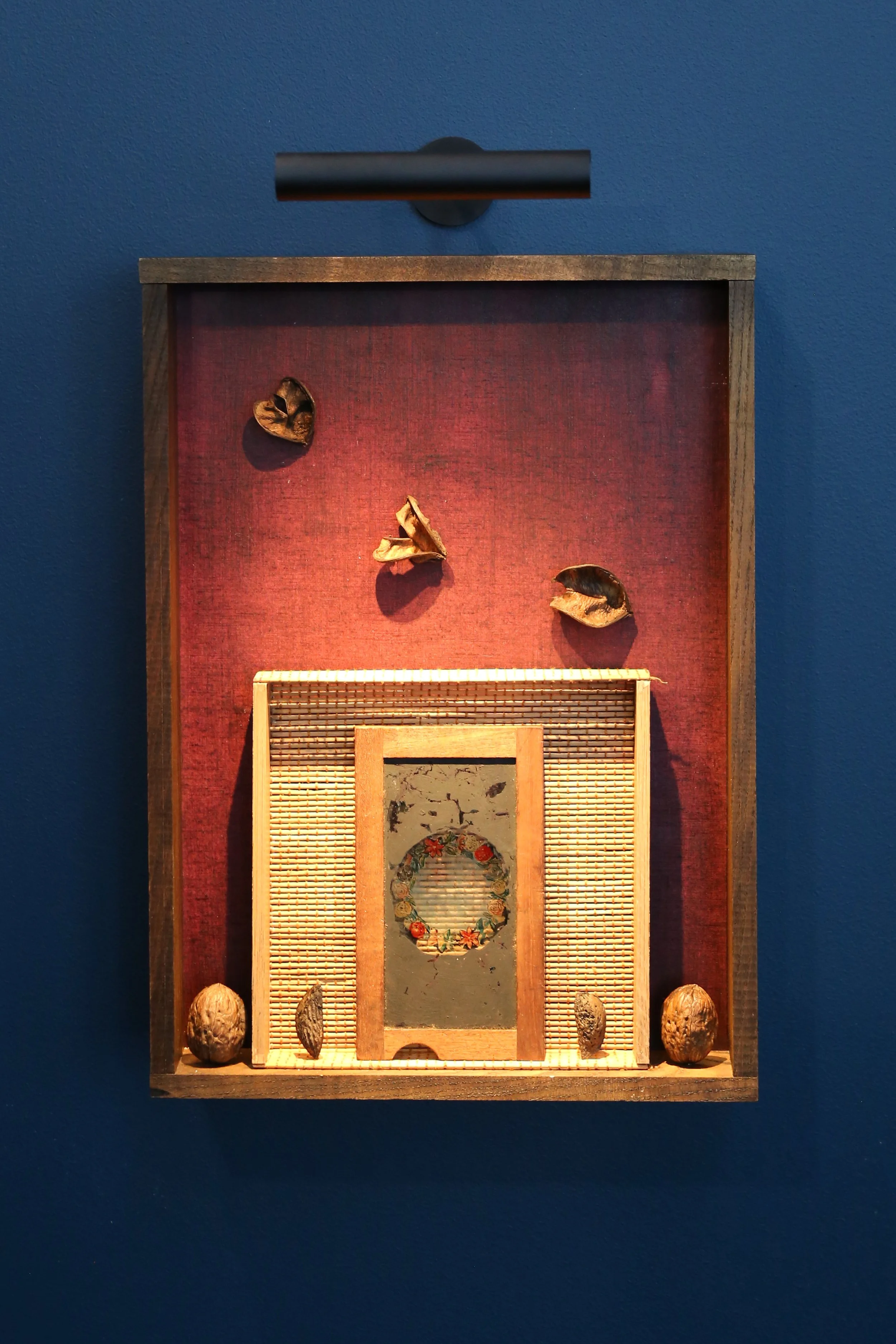
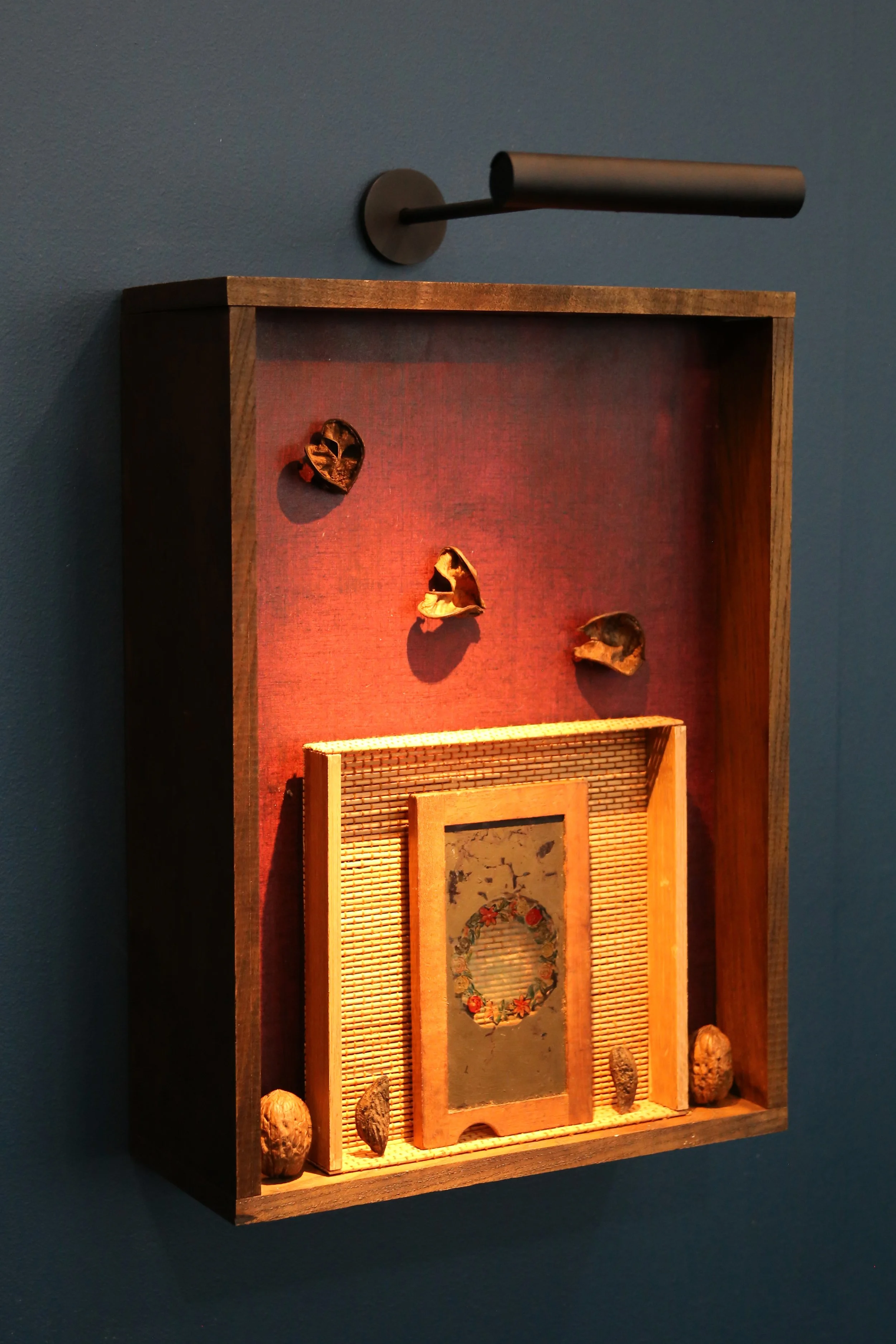
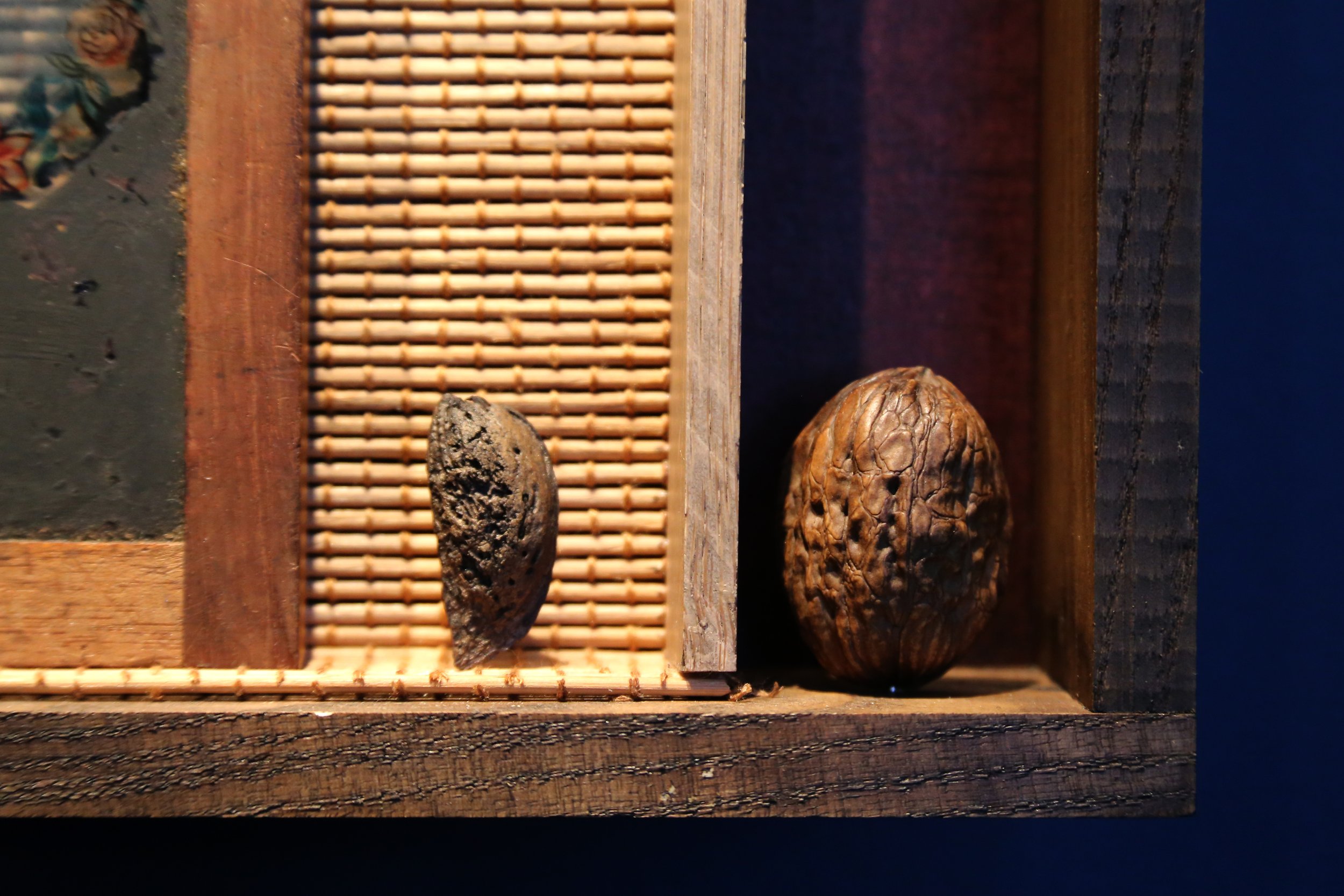
“She indulged her curiosity no further, but disrobed and entered the bath. All the pagods and pagodines began to sing and play on various instruments. Some had lutes made out of walnut shells; others, bass viols made out of almond shells, for it was, of course, necessary that the instruments fit the size of the performers.”
In a dark Ash cabinet, its backdrop dusked in alizarin crimson and ink, we find the princess Laideronnette at her repose, a rose bathing in a bamboo house, surrounded and accompanied by the music of her Pagods and Pagodines, a winged seeded serpent taking flight in the night sky above.
04 – Entretiens
The fourth movement of Ravel’s Ma mère l'Oye, ‘Les entretiens de la Belle et de la Bête’ (Conversations of Beauty and the Beast), draws upon Madame Leprince de Beaumont’s narration of the story. Here we find Beauty, dancing and in conversation with the Beast, realising that she might have found her true love: “I am pleased with your kindness, and when I consider that, your deformity scarce appears.” “Yes, yes said the Beast, my heart is good, but still I am a monster.”
Ravel’s use of counterpoint with the two themes here underlines the reconciliation between Beauty and the Beast, and we find in the notes of the arrangement for ballet that here ‘the Beast falls to his knees sobbing’ and that in the following return of the original tempo ‘Beauty, reassured plays with the Beast coquettishly.’
In January 1911 Ravel had played pieces by the composer Erik Satie in the opening concert of the second season of SMI, including the third Gymnopedie, and we feel its influence here. Ravel dedicated the score to Satie, inscribing it: ‘To Erik Satie, grand papa of the Entretiens [de la Belle et de la Bête] and other things, the affectionate homage of a disciple, Maurice Ravel.’
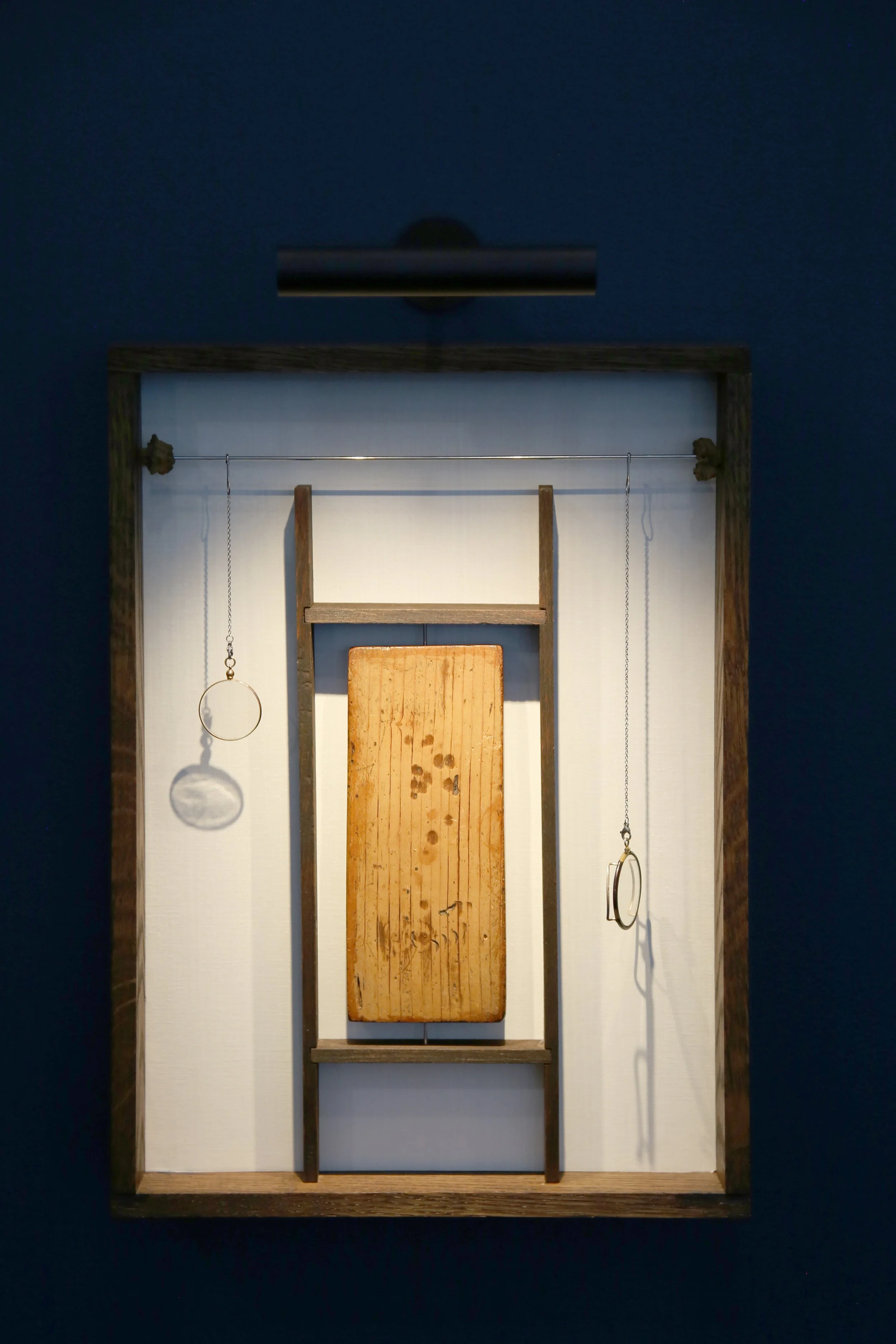
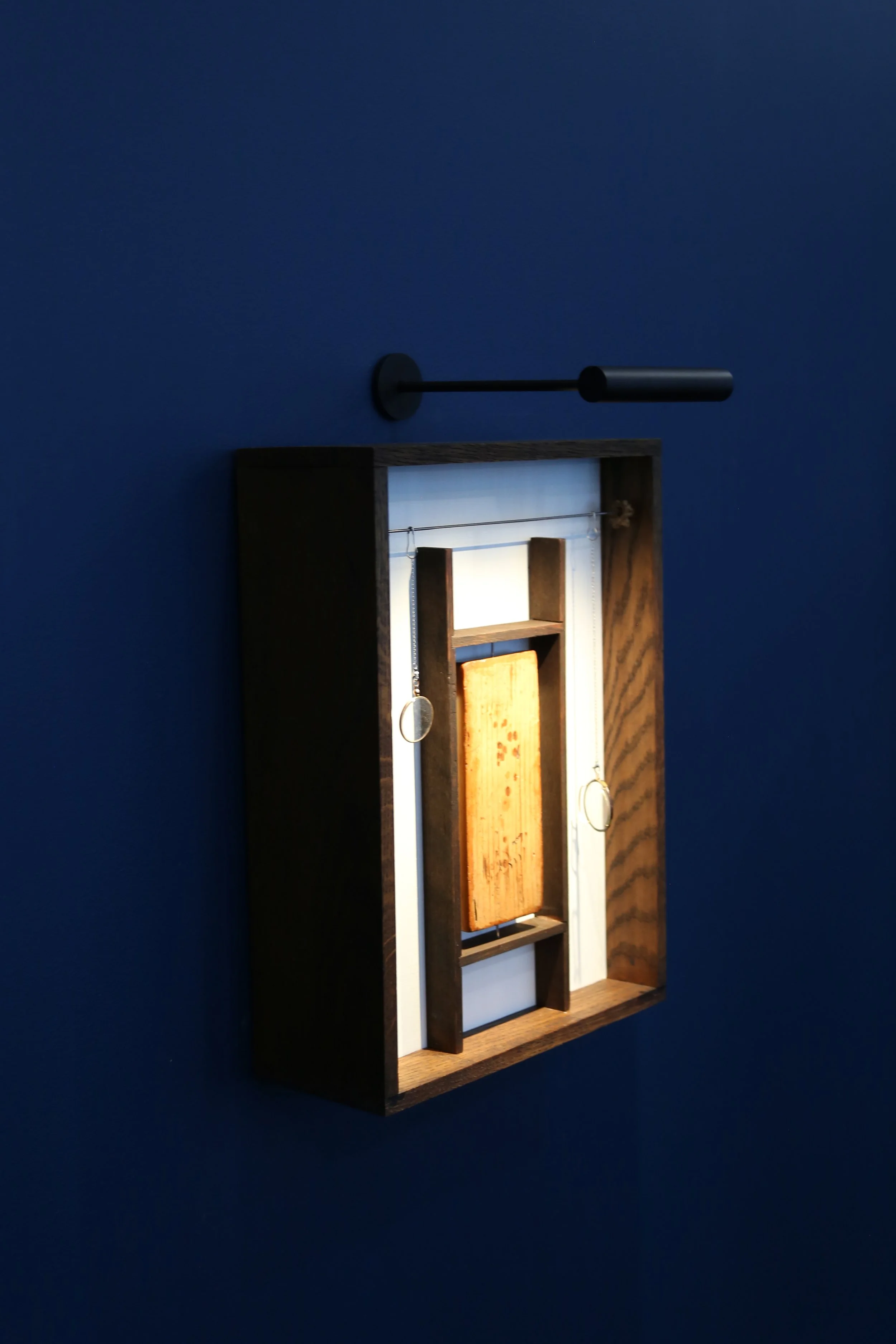
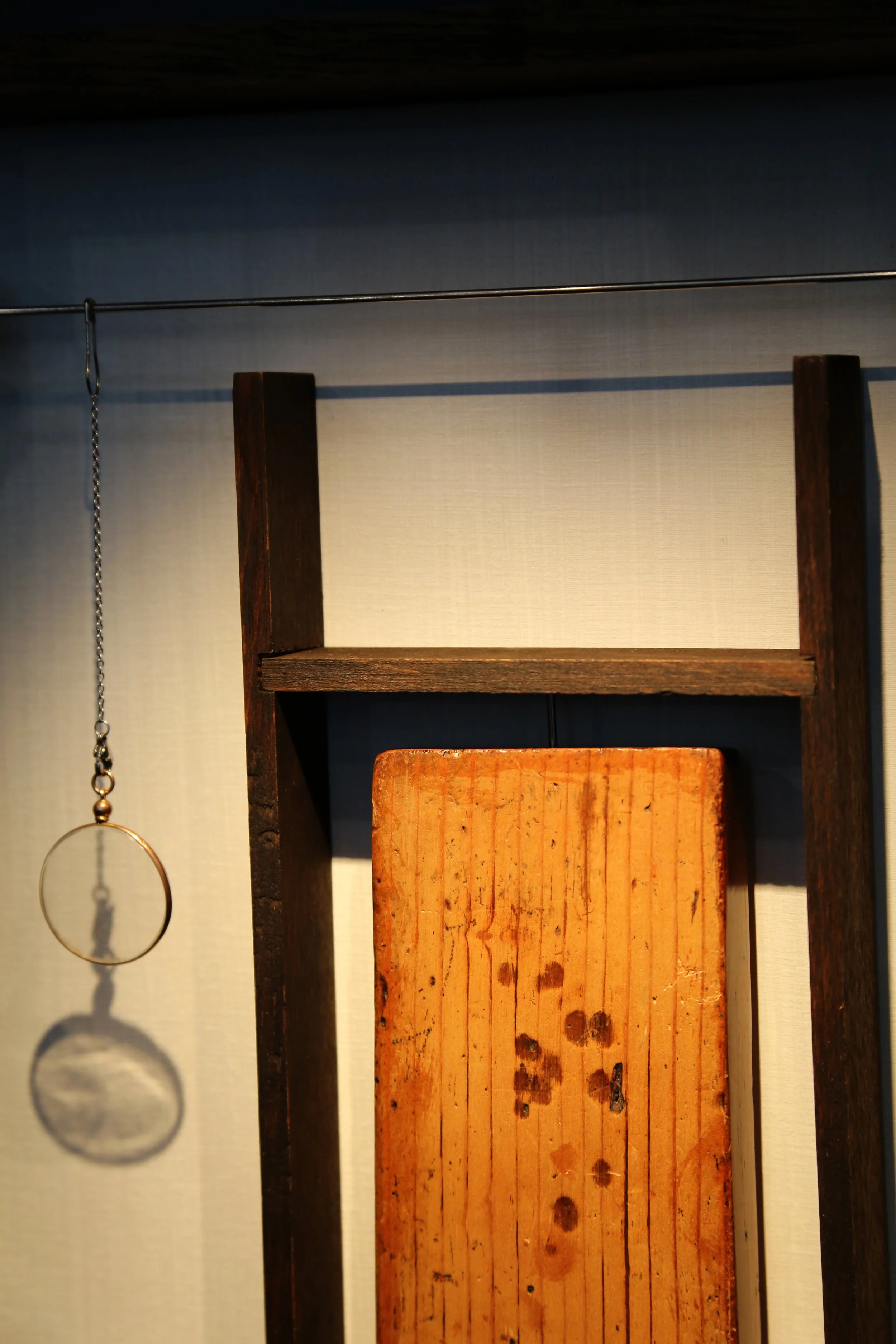
Within an oak cabinet two monocles are suspended in space by Oak Galls: a pince-nez tribute to Satie’s influence on Ravel. Satie’s playful and idiosyncratic style is embodied in a centrally rotating cribbage board, whilst the danced conversations of Beauty and the Beast bounce left to right across the white oiled surface of the interior.
05 – Enchanted Garden
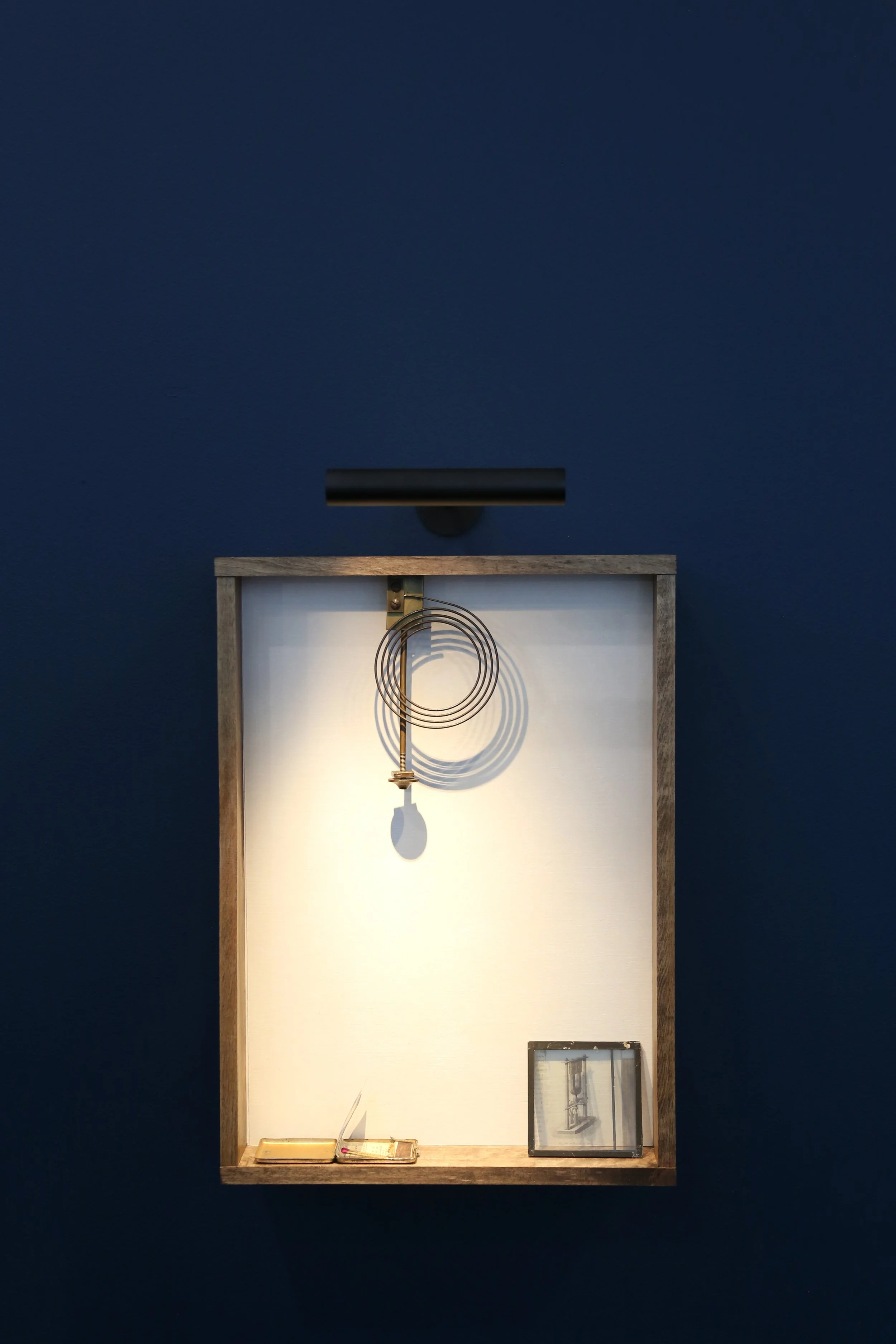
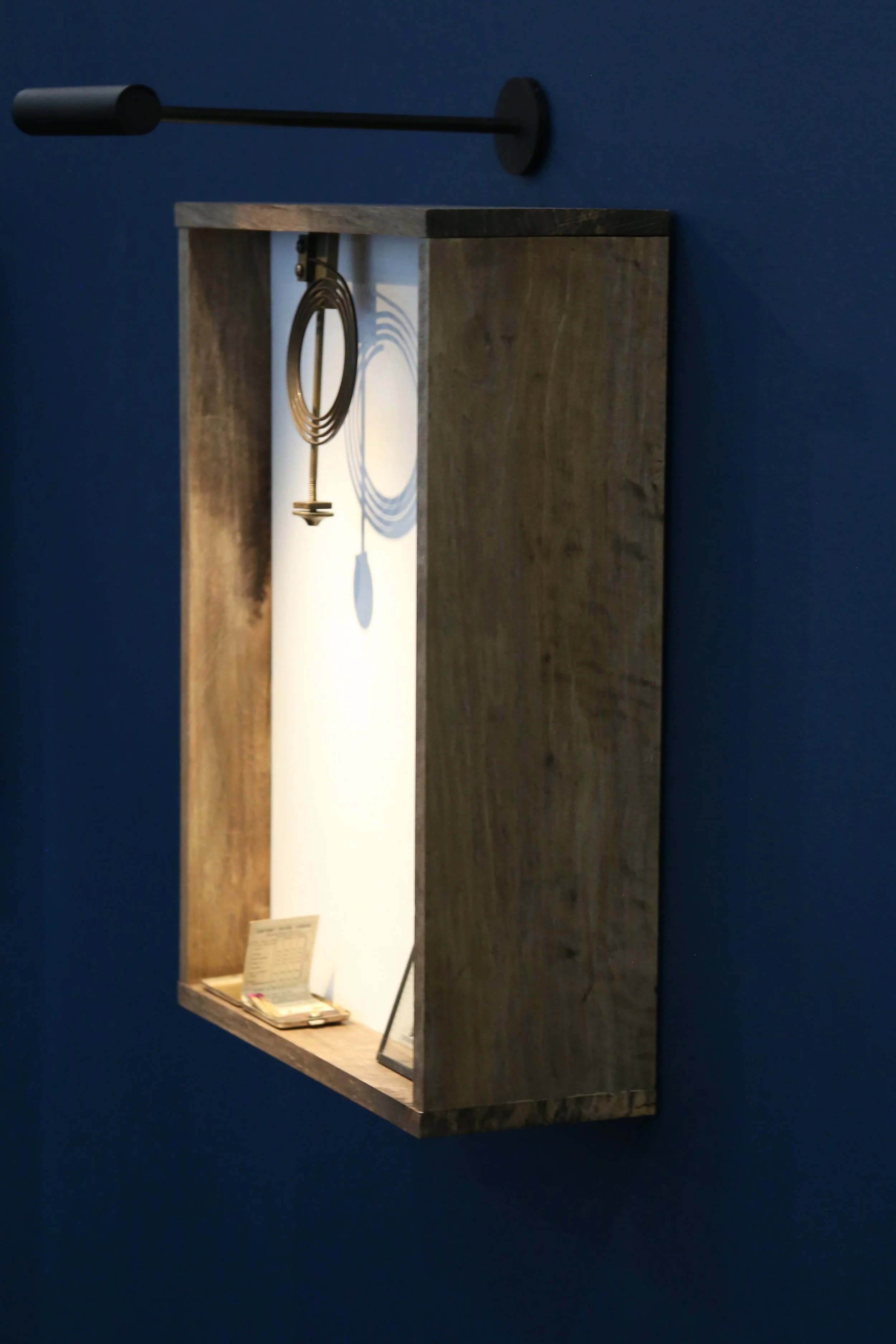
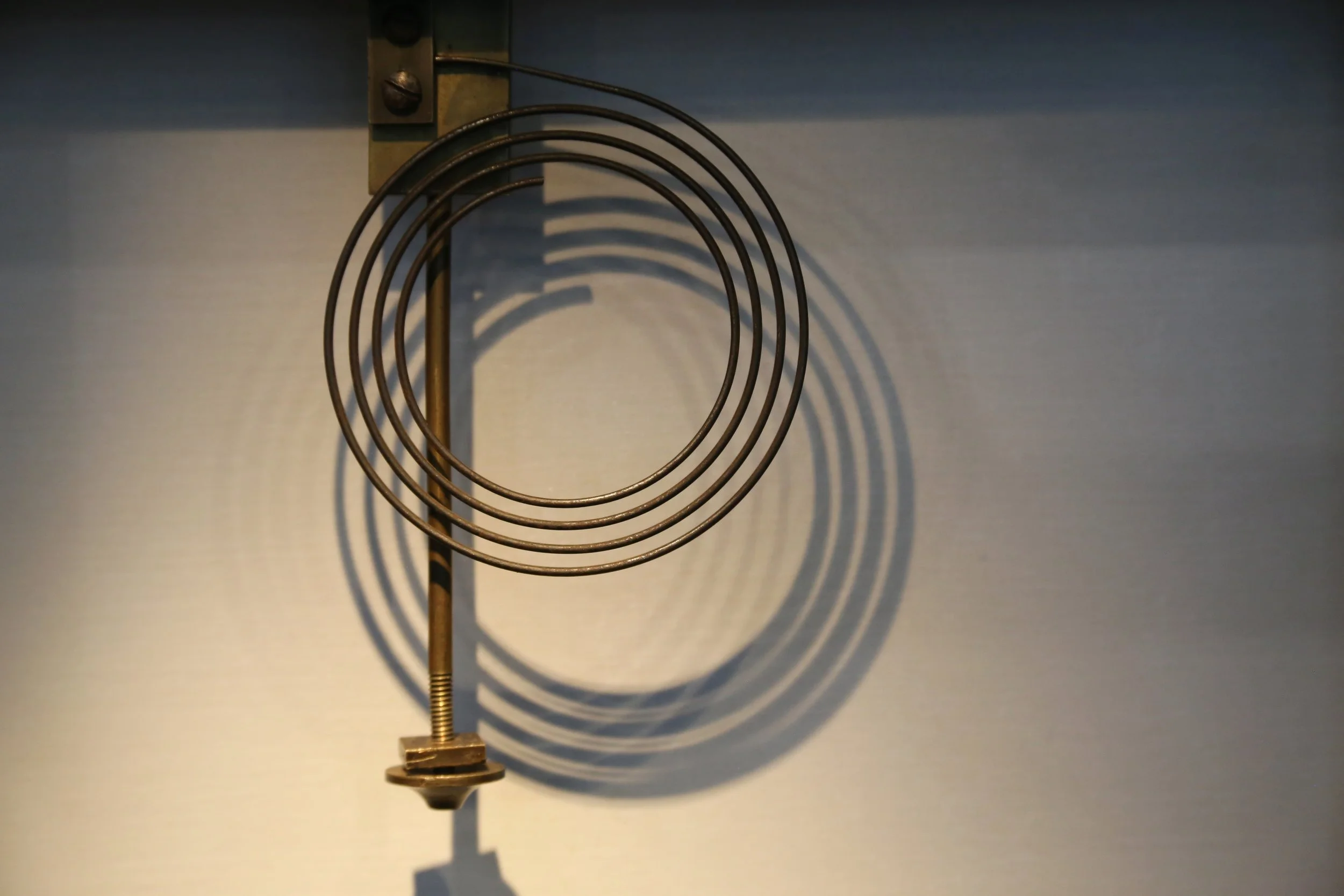
Enchanted Garden is a three-piece portrait of Maurice Ravel through the key figures in his life, set in the twisted iron wood of the Hornbeam tree. Ravel was very close to his mother, who died in 1917 and she is represented here by the endless cycles of a clock mechanism. Ravel’s father died just as he began composing Ma mère l'Oye. He was an inventor who patented a design for an automobile in 1868 – reflected here the glass diagrammatic slide. Ravel himself was an extremely well dressed individual who cared deeply about his attire and presentation – here he finds form in a silver matchbox.
Enchanted Garden thematically and spatially rotates around this triangulation of compass points in Ravel’s life: ‘complexe mais pas complique.’
Credits
Artist: James Bulley
Commissioned by: Mediale and Glasshouse International Centre of Music
Artist assistant: Jake Tyler
Artist assistant: Richard Hards
Orchestral recording mixes: Simon Hendry
Amplification design: Max Hunter
With special thanks to: Ian Stonehouse, Havva Bulley
Woodwork consultant: Hugo Lamdin
Woodwork guidance & support: Jamie Barrera
For Mediale
Kate Farrell
Tom Higham
WIllow Bowen
Lighting
With thanks to TMLighting
For Glasshouse
Producer: Meena Daneshyar
Head of Digital: Rachel Williams
Royal Northern Sinfonia Conductor: Dinis Sousa
Royal Northern Sinfonia Orchestra
Orchestral recordist: Alexander Barnes